99.9% SLA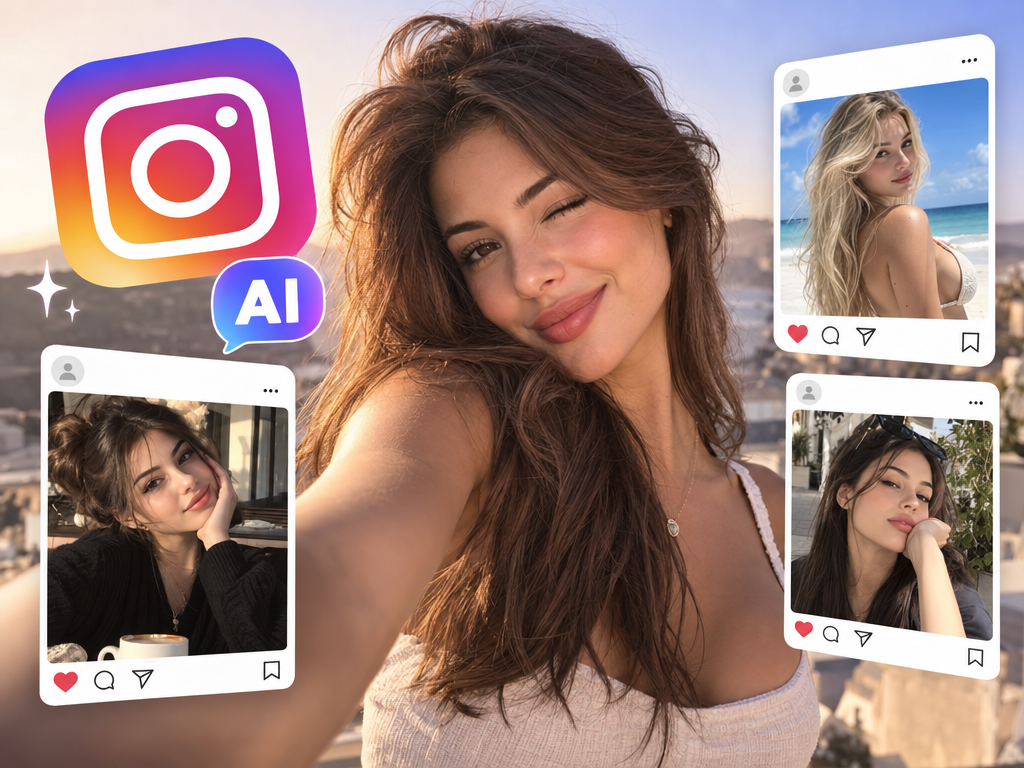
AI Instagram Model: AI Model Imagery Review & Practical Guide
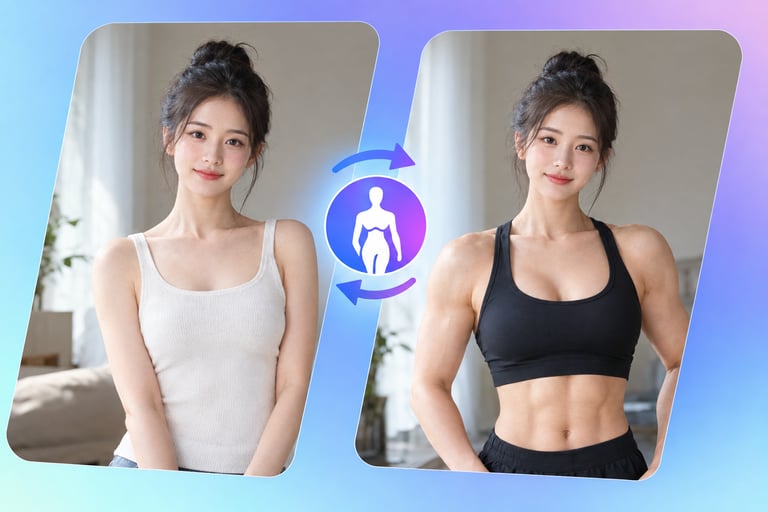
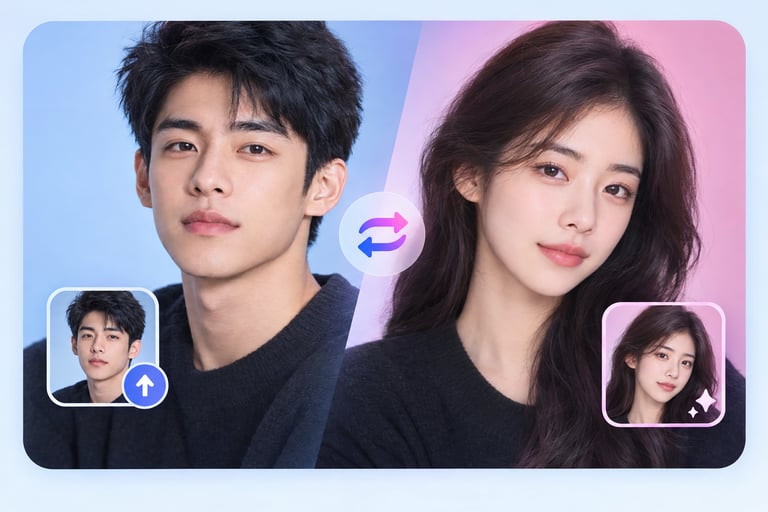
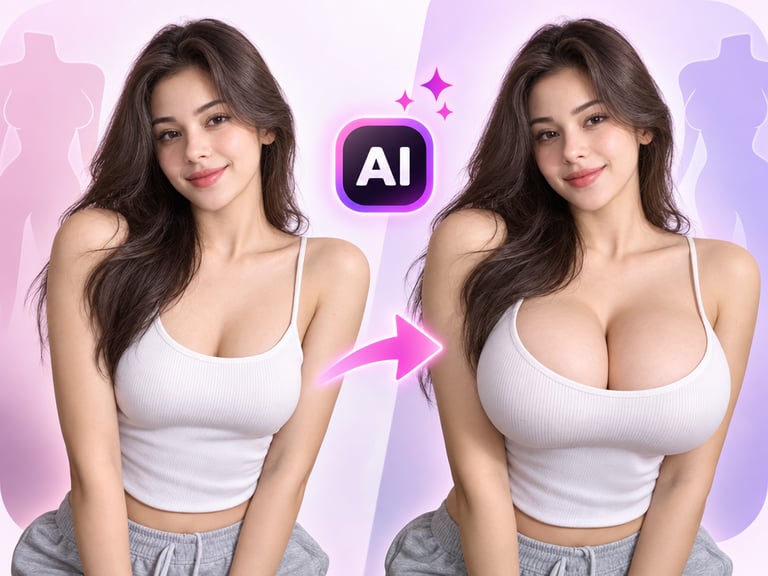
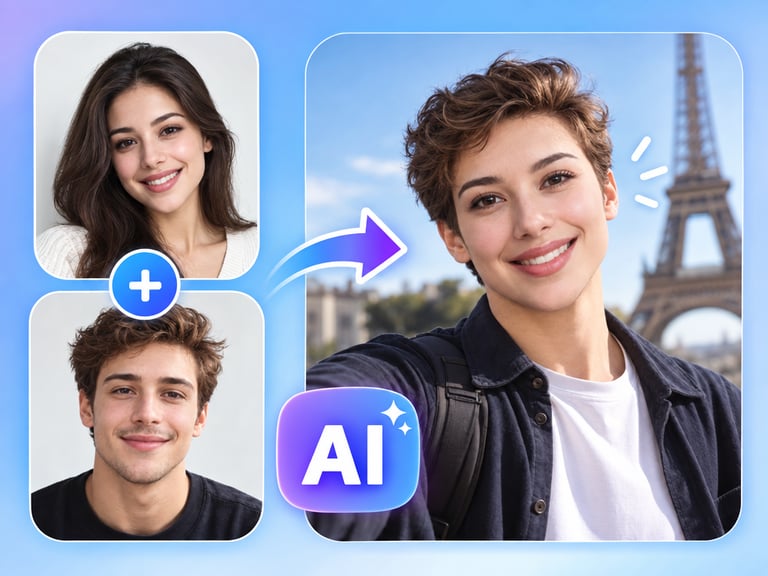
AI Instagram Model generates Instagram-style imagery of AI models - polished, lifestyle-oriented portraits in the visual language of the platform. It is part of the growing category of AI-generated personas used in brand campaigns, virtual influencer projects, and content testing.
This category carries real baggage, and a professional review has to be direct about it. The technical capability is straightforward: high-quality, consistent model imagery on demand. The professional question is how it's used - transparently, with clear AI disclosure, or deceptively, passing as real people. The tool is fine; the misuse is the problem.
Quick Facts
| Attribute | Value |
|---|---|
| Tool name | AI Instagram Model |
| Tool ID | ai-instagram-model |
| Category | AI image generation / virtual personas |
| Primary task | Generate Instagram-style model imagery |
| Input | Style prompt and/or reference |
| Output | Model portrait imagery |
| API | REST inference, no cold starts |
| Best for | Virtual influencers, campaign concepting, content testing |
Table of Contents
- First Impressions
- Core Features
- What to Watch For
- Core Advantages
- Best Use Cases
- Who Should Use It
- FAQ
1. First Impressions
The imagery is polished and platform-native: strong lighting, fashion-forward styling, and the kind of compositions that populate influencer feeds. For concept testing and virtual-brand projects, the quality is more than sufficient.
The most important feature isn't technical - it's the responsibility layer. How you label and use AI model imagery determines whether this is a legitimate creative tool or part of the internet's authenticity problem.
2. Core Features
- Instagram-style generation: imagery tuned to the platform's aesthetic conventions.
- Consistent personas: repeatable looks for a recurring virtual model.
- Style control: fashion, setting, and mood steered by prompt.
- High visual polish: lighting and composition suited to feed presentation.
- REST inference API: no cold starts for content platforms and campaigns.
3. What to Watch For
- Disclosure is non-negotiable: presenting AI models as real people is deceptive and increasingly against platform rules.
- Brand trust risk: audiences react badly to undisclosed AI personas - label clearly.
- Consistency needs management: keeping one persona identical across posts requires careful reference workflows.
- Legal review: advertising with AI personas has its own disclosure and rights requirements per region.
4. Core Advantages
- Production speed: model-quality imagery without shoots, casting, or releases.
- Creative control: full control over look, style, and setting.
- Always available: no scheduling around talent or locations.
- Brand-safe direction: personas can be designed to fit brand values exactly.
5. Best Use Cases
- Virtual influencer and AI-brand-mascot projects with clear labeling.
- Campaign concepting and mood boards before live shoots.
- Content A/B testing of model imagery and styles.
- Fashion and lifestyle visualization without casting.
6. Who Should Use It
Pick it up if you run virtual-influencer or AI-persona projects, or you need fast model imagery for concepting and testing - with clear disclosure practices.
Skip it if you plan to present AI models as real people, or if your brand's authenticity strategy rules out AI-generated human imagery.