99.9% SLA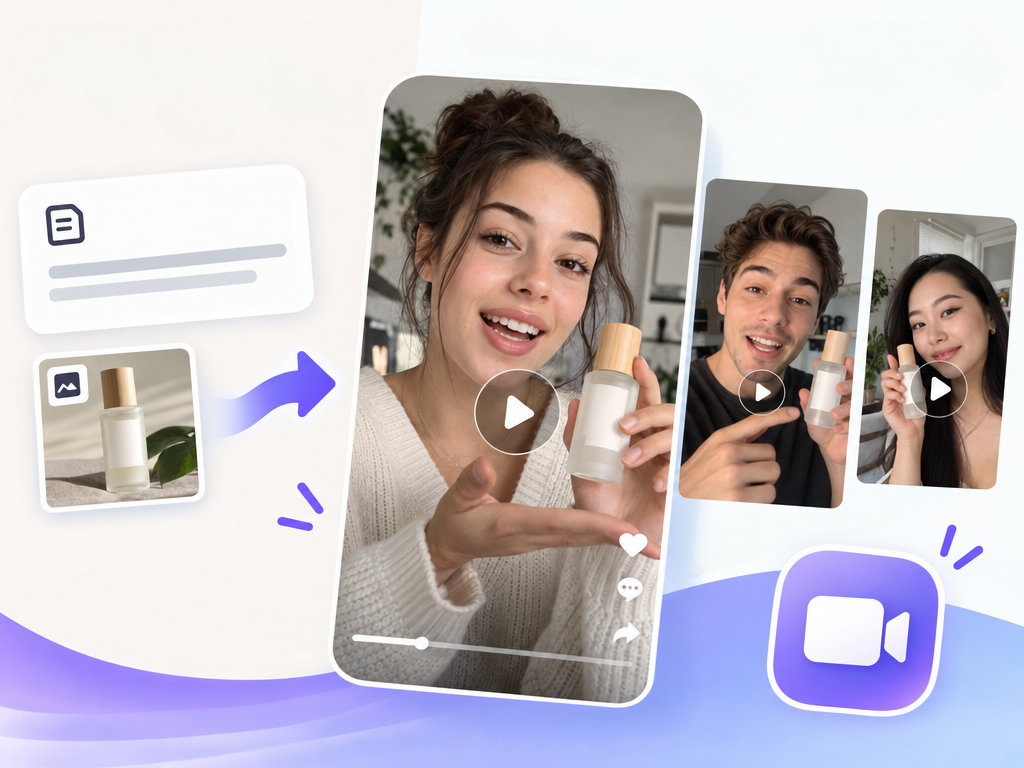
UGC Video Generator: AI Creator-Style Video Review & Practical Guide
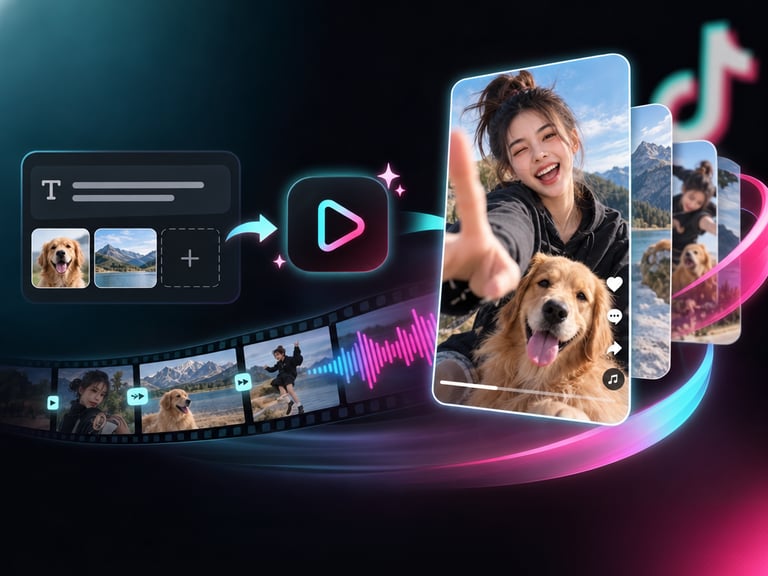
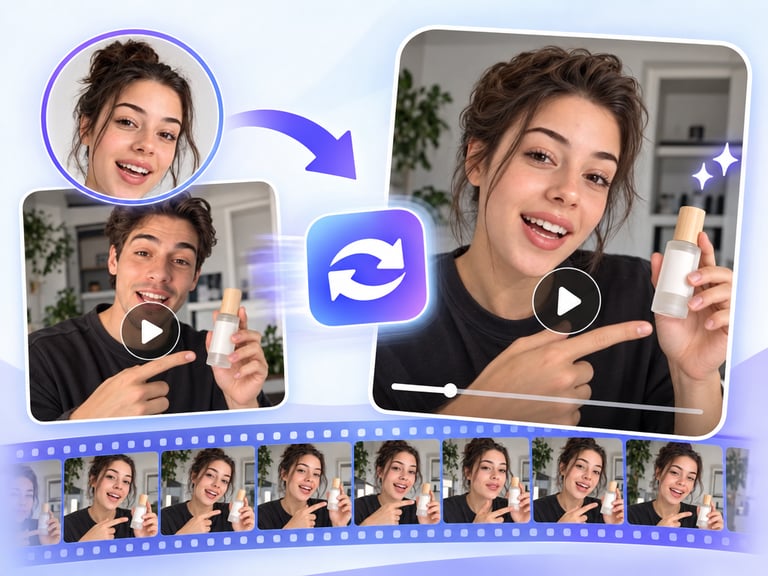
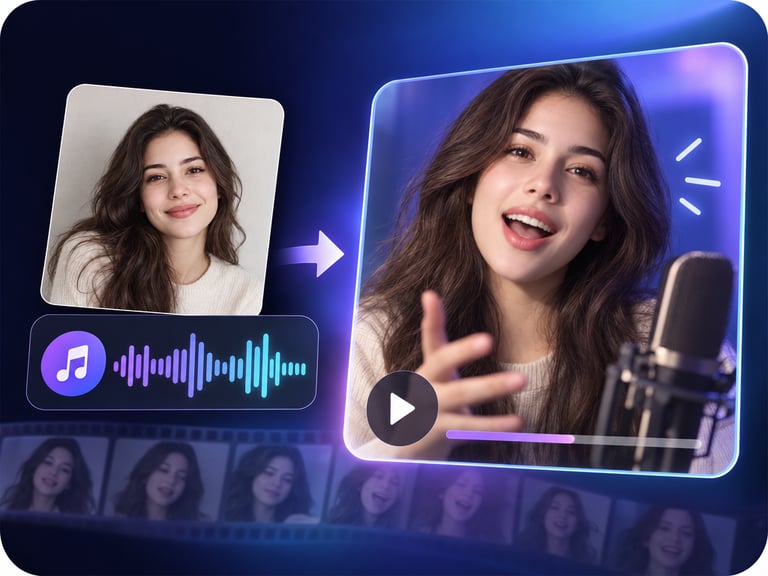
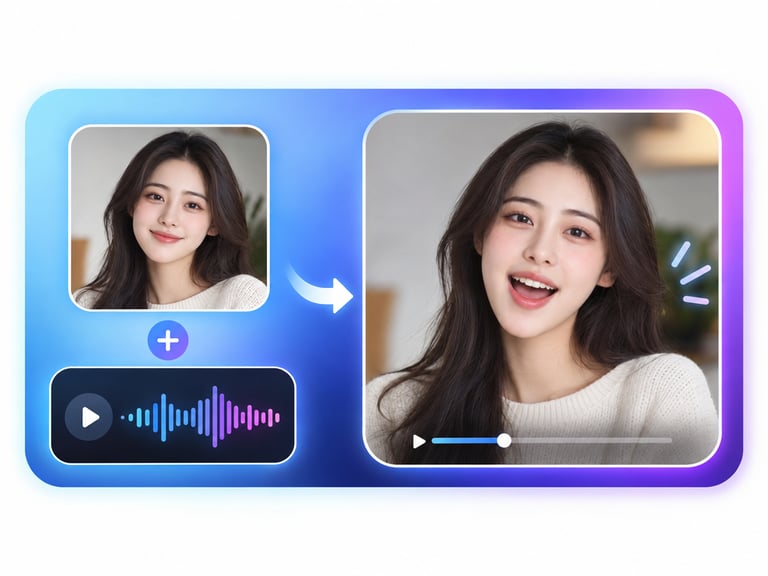
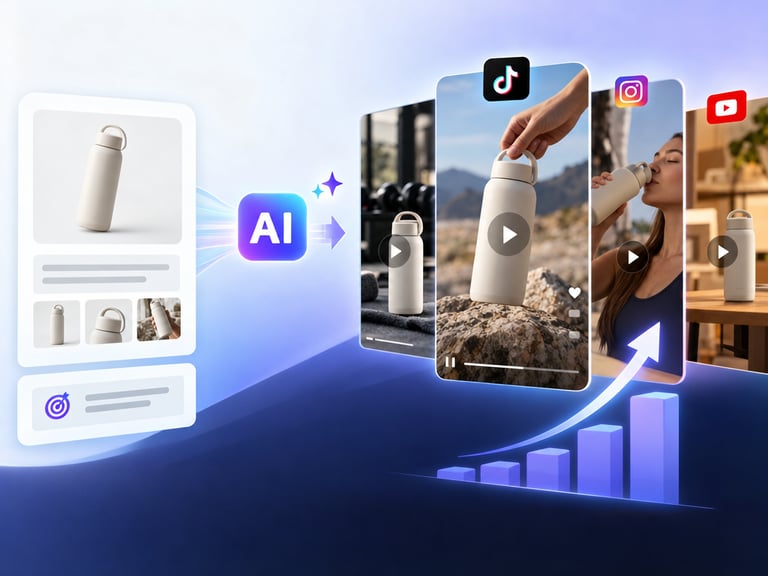
UGC Video Generator produces authentic, creator-style videos from text prompts and optional reference images. It is engineered to look like content made by a real person - natural motion, relatable aesthetics, and native audio - rather than polished commercial production.
That "real person" quality is the entire value proposition. UGC-style ads outperform polished ads in paid social because they feel like recommendations from a peer, not pitches from a brand. Generating that aesthetic programmatically is genuinely hard: the look of authenticity comes from imperfection, and most AI tools overshoot into sterile polish.
Quick Facts
| Attribute | Value |
|---|---|
| Tool name | UGC Video Generator |
| Tool ID | ugc-video-generator |
| Category | AI video generation / marketing |
| Primary task | Create authentic creator-style videos |
| Input | Text prompt + optional reference images |
| Output | UGC-style video with native audio |
| API | REST inference, no cold starts |
| Best for | Paid social ads, influencer-style content, product demos, DTC brands |
Table of Contents
- First Impressions
- Core Features
- What to Watch For
- Core Advantages
- Best Use Cases
- Who Should Use It
- FAQ
1. First Impressions
The output has the right texture: casual framing, conversational energy, and motion that feels handheld rather than studio-directed. It reads as a creator talking about a product they actually used, which is exactly the reaction UGC-style ads are built to trigger.
For DTC brands and performance marketers, this is a scaling tool for a specific job: producing testable UGC-style creative without coordinating a creator network for every variation.
2. Core Features
- Authentic creator aesthetics: casual composition, natural motion, and relatable tone.
- Native audio: clips ship with audio that fits the UGC format.
- Text-to-video and image-to-video: work from scripts alone or anchor to reference images.
- Conversion-oriented structure: pacing and hooks follow what performs in social ads.
- REST inference API: no cold starts for ad creative pipelines.
3. What to Watch For
- Authenticity has limits: AI-generated UGC can still be detected by savvy viewers; the goal is believability, not deception.
- Disclosure rules: advertising standards in many regions require labeling AI-generated or influencer-style content.
- Reference images improve products: real product photos keep the visual accurate to the SKU.
- Script quality drives performance: a weak hook produces a weak video no matter how authentic it looks.
4. Core Advantages
- Creative velocity: UGC-style variants for A/B testing in hours, not a creator campaign.
- Cost-efficient testing: test hooks and angles cheaply, scale what converts.
- Relatable by design: the aesthetic is tuned for peer-like credibility in feeds.
- Pipeline-friendly: batch generation supports always-on creative testing.
5. Best Use Cases
- UGC-style ads for DTC and consumer brands.
- Product demo videos in a creator voice.
- Influencer-style social content without a creator network.
- High-volume creative testing for paid acquisition.
6. Who Should Use It
Pick it up if you run paid social for consumer products and need a steady stream of believable creator-style creative for testing and scaling.
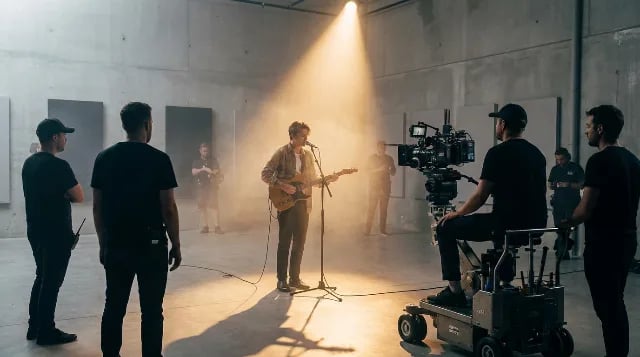
Skip it if your brand needs fully polished, cinematic production, or you require real influencer partnerships for authenticity and trust.