 99.9% SLA
Grok Imagine Video 1.5: Model Introduction & Practical Guide
Grok Imagine Video 1.5 is SpaceXAI's image-to-video model, built on the company's Aurora autoregressive generation engine. It animates a single still image - or a text prompt - into short video with natively synchronized audio, ranks #1 on the Arena.ai image-to-video leaderboard, and generates a 6-second 720p clip in roughly 25 seconds in Fast mode.
Here's the short version: Imagine Video 1.5's architectural bet is autoregression - predicting the video frame by frame rather than denoising the whole clip at once. That choice makes video extension natural (continue from any last frame) and appears to help temporal coherence. The audio is generated jointly with the picture in a shared latent space, so dialogue is lip-synced and effects land on the right beats without a separate pipeline. It outputs up to 15 seconds at 480p/720p in 7 aspect ratios, priced per second through the xAI API. The trade-offs: 720p is the resolution ceiling (versus 1080p-4K elsewhere), 15 seconds is a short-form-length capability, and the ecosystem around it (tooling, third-party integrations) is younger than the incumbent video models'.
This guide covers model overview, core features, technical specifications, capability comparison, core advantages, recommended use cases, example prompts, and selection recommendations.
Quick Facts
| Attribute | Value |
|---|---|
| Model name | Grok Imagine Video 1.5 |
| Developer | SpaceXAI (formerly xAI) |
| Model ID | grok-imagine-video-1.5 |
| Category | Image-to-video and text-to-video generation |
| Engine | Aurora autoregressive video generation |
| Audio | Natively synchronized (effects, music, lip-synced dialogue) |
| Resolution | 480p / 720p (max 720p) |
| Duration | Up to 15 seconds |
| Aspect ratios | 7 (including 1:1, 16:9, 9:16) |
| Speed | Fast mode: 6s 720p clip in ~25 seconds (vs 40s+ prior generation) |
| Standings | #1 on Arena.ai image-to-video (Elo ~1330, +52 over predecessor) |
| Extension | Autoregressive continuation from last frame |
| Access | xAI API (per-second billing) |
Table of Contents
- Model Overview
- Core Features
- Technical Specifications
- Capability Comparison
- Core Advantages
- Recommended Use Cases
- Example Prompts
- Selection Recommendations
- FAQ
- Sources & Further Reading
1. Model Overview
Most video models are diffusion-based: they start from noise and denoise a whole clip simultaneously. Grok Imagine Video 1.5 takes the other road - autoregressive frame prediction through SpaceXAI's Aurora engine - and the design choice ripples through the product. Because generation proceeds frame by frame, extending a video from its last frame is native rather than bolted on, and multi-segment stitching into longer scenes becomes a natural operation. The published performance backs it: #1 on Arena.ai's image-to-video leaderboard with an Elo around 1330, a 52-point improvement over the previous generation.
Audio is the second pillar. Instead of generating video and audio separately and aligning them in post, Imagine Video 1.5 generates both in a single forward pass with a shared latent space - lip movements, action timing, and sound effects are aligned by construction. That covers ambience, background music, and synced dialogue without a dubbing step, which is exactly the friction that makes AI video annoying to ship in practice.
Physics realism got attention too: improved motion coherence and weight simulation reduce the classic AI-video tells (limbs that bend wrong, objects that float, clothes that don't move with the body). The output remains short-form - up to 15 seconds at 480p or 720p in 7 aspect ratios - but for social, ads, and concept work, that's the operating range.
Speed is the third selling point. Fast mode generates a 6-second 720p clip in about 25 seconds, down from 40+ seconds in the prior generation - a ~40% improvement that keeps creative iteration inside a single working session.
2. Core Features
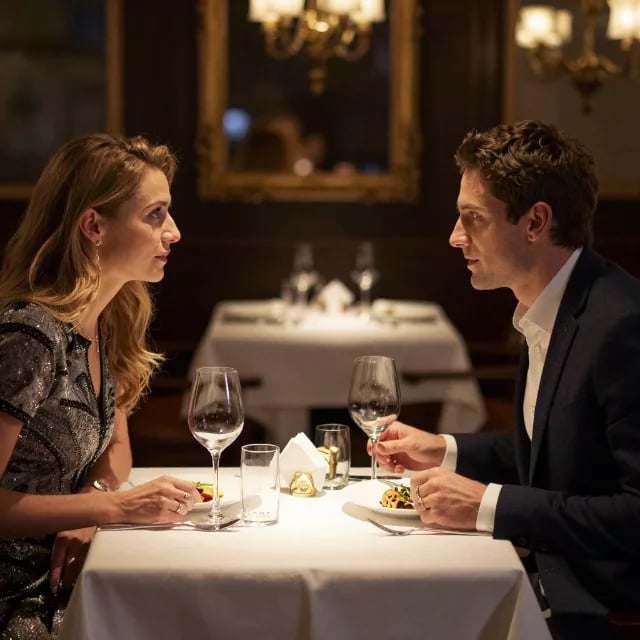
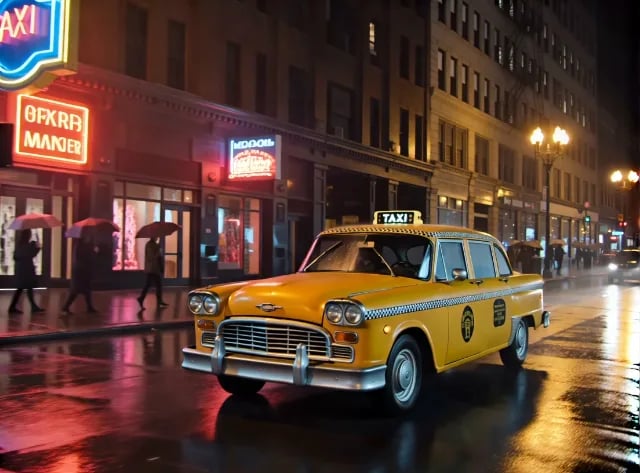
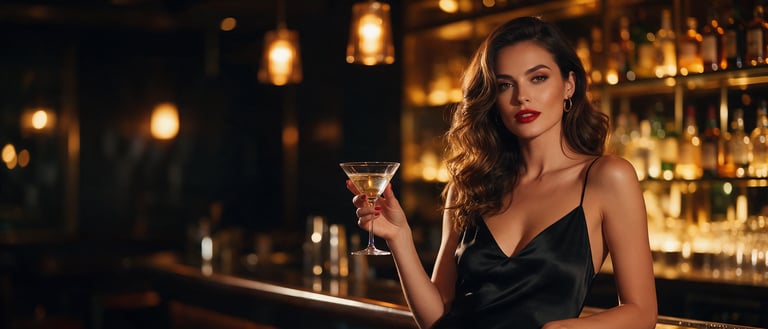
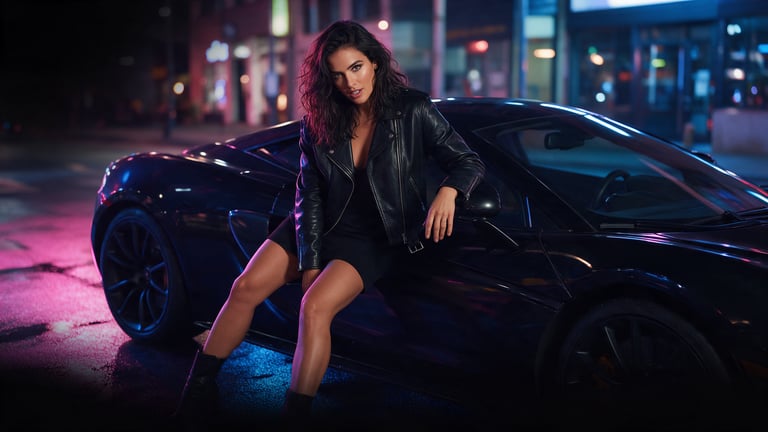
Image-to-video animation. One still image plus a natural-language prompt produces motion while preserving the source's detail, lighting, and composition.
Text-to-video. Pure prompt-to-clip generation for concept exploration and quick drafts.
Native synchronized audio. Ambient sound, music, and lip-synced dialogue generated in the same pass as the video.
Autoregressive extension. Continue from a clip's last frame to build longer sequences; stitch multiple short shots into a scene.
7 aspect ratios, 2 resolutions. 1:1, 16:9, 9:16 and four others; 480p or 720p; up to 15 seconds.
Fast mode. ~25 seconds for a 6-second 720p clip - high-frequency draft generation.
Improved physical realism. Better motion coherence, weight, and cloth/object behavior than the previous generation.
3. Technical Specifications
| Specification | Detail |
|---|---|
| Generation engine | Aurora (autoregressive frame prediction) |
| Input modes | Image-to-video, text-to-video |
| Audio | Joint audio-video modeling (shared latent space) |
| Resolution | 480p / 720p |
| Duration | Up to 15 seconds per generation |
| Aspect ratios | 7 |
| Speed | ~25s for 6s 720p (Fast mode) |
| Extension | Last-frame continuation, multi-segment stitching |
| Access | xAI API, per-second billing |
4. Capability Comparison
| Dimension | Grok Imagine Video 1.5 | Veo 3.1 | Seedance 2.0 | MiniMax H3 |
|---|---|---|---|---|
| Engine | Autoregressive (Aurora) | Diffusion | Unified multimodal | Open-weight |
| Max resolution | 720p | 4K | 1080p-2K | 2K (API) |
| Max duration | 15s | 8s (extendable) | 5-12s | 15s |
| Native audio | Joint generation | Yes | Yes | Stereo |
| Speed (draft) | ~25s / 6s clip | Slower | Fast | Fast |
| Open weights | No | No | No | Yes |
| Leaderboard | #1 Arena.ai I2V | Strong | Strong | Strong |
Where Imagine 1.5 wins: image-to-video quality as judged by blind Arena votes, generation speed, and natural extension via autoregression. Where it concedes: maximum resolution, clip length, and the open-weights flexibility that MiniMax H3 now offers.
5. Core Advantages
- Top of the I2V leaderboard. #1 on Arena.ai with a 52-point Elo gain - blind-vote validated.
- Audio without a pipeline. Dialogue, effects, and music generated with the video, aligned by design.
- Extension that feels native. Autoregressive architecture makes continuing a clip seamless.
- Fast-mode iteration. ~25-second drafts keep creative loops tight.
- Physical realism upgrades. Fewer limb distortions and floating-object artifacts.
- Simple API economics. Per-second billing through the xAI API.
6. Recommended Use Cases
- Social video from stills: animate product or lifestyle photos into short, audio-complete clips.
- Ad concepting: fast drafts of multiple visual directions with sound included.
- Storyboard animation: bring keyframes to life for pitch and pre-production.
- Sequential storytelling: chain extensions into longer multi-shot sequences.
- Character clips with dialogue: lip-synced speech for mascots, avatars, and narrative beats.
7. Example Prompts
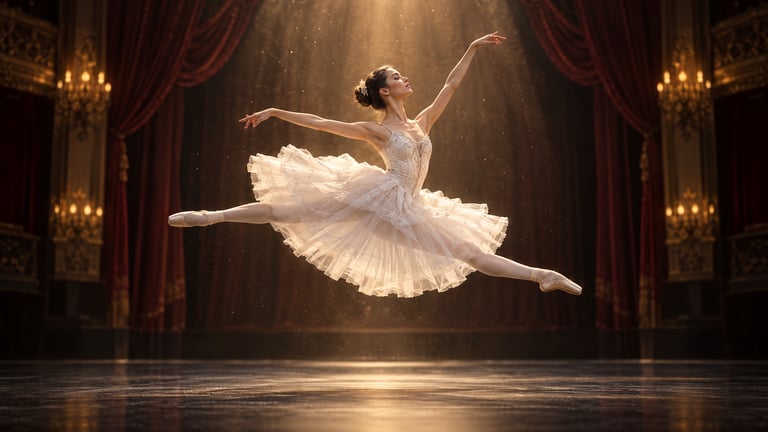
1. Photo animation with audio
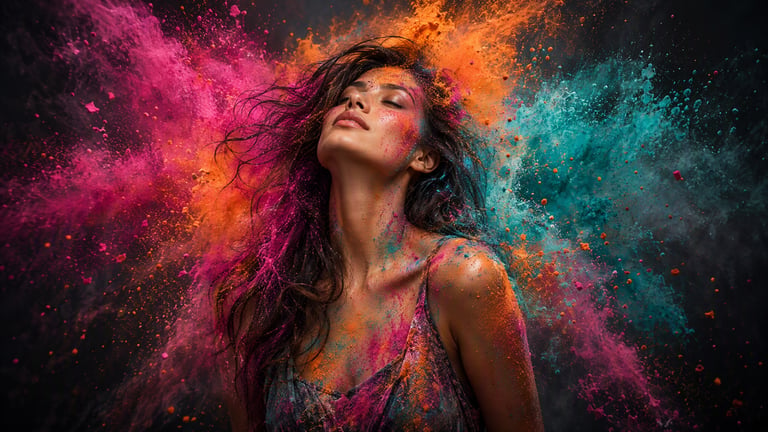
2. Product moment
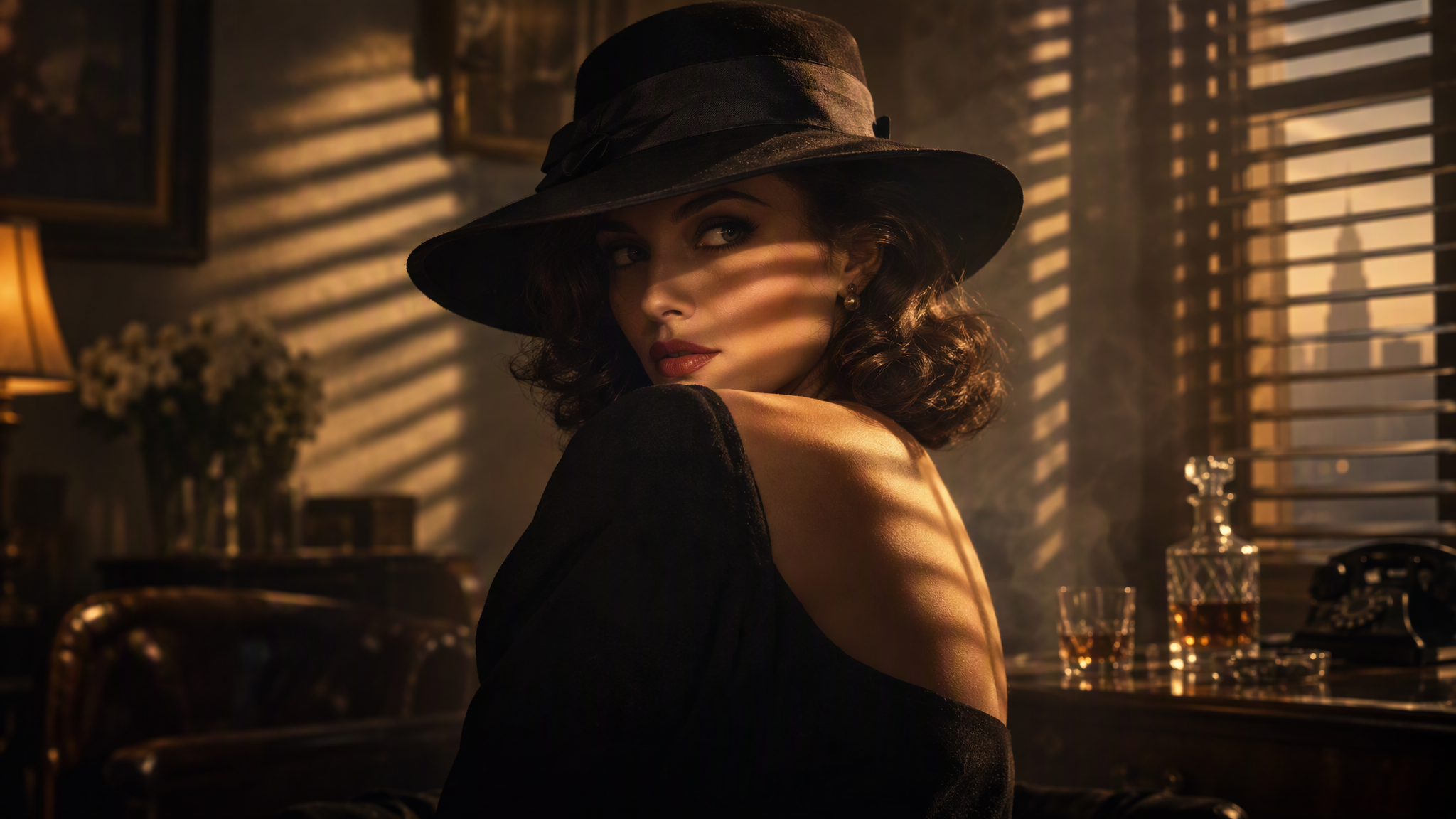
3. Dialogue clip (lip sync)
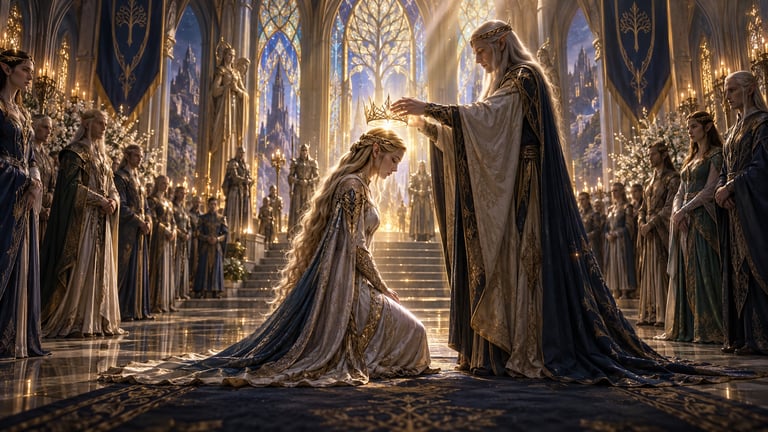
4. Extension chain
5. Concept exploration batch
8. Selection Recommendations
Choose Grok Imagine Video 1.5 if:
- Image-to-video quality is your primary metric (it currently ranks #1 in blind evaluation).
- You need audio baked into the generation - dialogue, effects, music.
- You want fast drafts (~25s) for rapid iteration.
- Your delivery targets are social platforms at 720p.
- You build on the xAI API and prefer simple per-second billing.
Consider alternatives if:
- You need 1080p+/4K output.
- You need clips longer than 15 seconds per pass.
- You want open weights for local deployment (MiniMax H3).
- You need deep multi-reference control (Seedance 2.0's 12-file referencing).
Sources & Further Reading
- Grok Imagine Video 1.5 - AI Toolset (Chinese overview)
- xAI API documentation
- Grok - official platform
Leaderboard standings shift as new models release; Elo figures reflect the evaluation period at review time. Pricing is set by SpaceXAI and subject to change.