 99.9% SLA
AI Virtual Outfit Try-On: Fashion Tech Review & Practical Guide
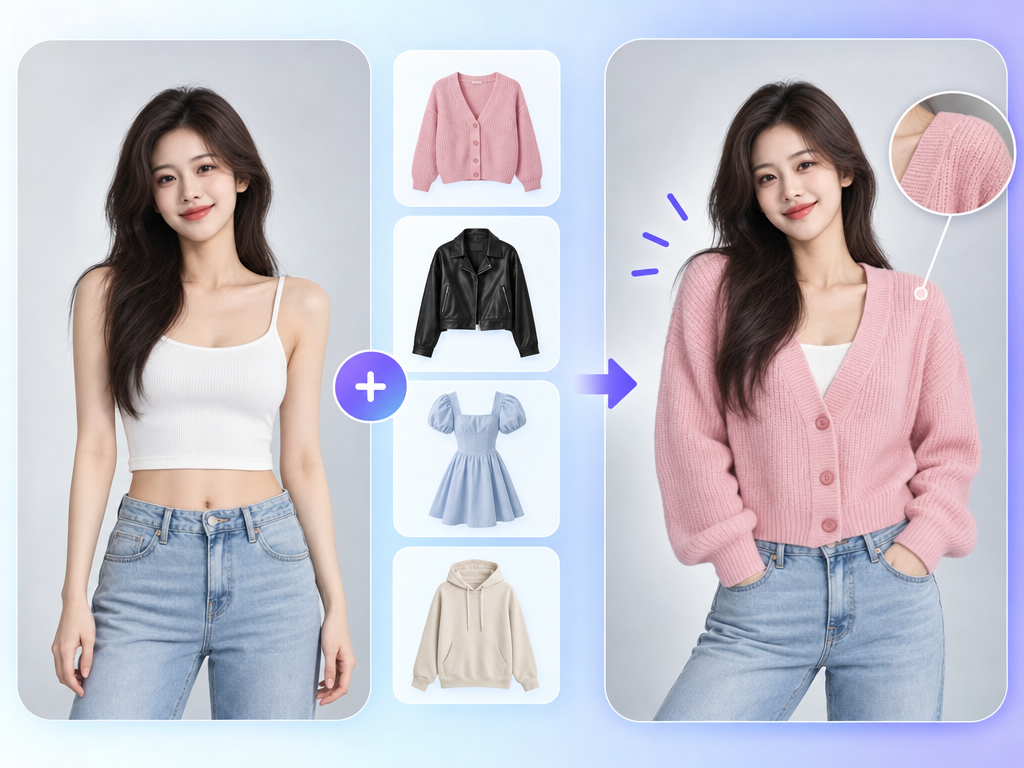
AI Virtual Outfit Try-On lets a person - or a person in video - try on garments without physically wearing them. It maps clothing onto the subject with body-aware fit, so the result shows how the item sits on their silhouette rather than floating in front of it.
Virtual try-on is one of the highest-value AI applications in commerce because it attacks the biggest reason online shoppers hesitate: uncertainty about fit and look. The quality bar is unforgiving - if the garment doesn't drape, fold, and shadow like real fabric, the feature undermines trust instead of building it.
Quick Facts
| Attribute | Value |
|---|---|
| Tool name | AI Virtual Outfit Try-On |
| Tool ID | ai-virtual-outfit-tryon |
| Category | AI fashion technology / video generation |
| Primary task | Try garments on a person or video subject |
| Input | Person photo/video + garment image or description |
| Output | Try-on result image/video |
| API | REST inference, no cold starts |
| Best for | E-commerce, fashion apps, influencer content, styling |
Table of Contents
- First Impressions
- Core Features
- What to Watch For
- Core Advantages
- Best Use Cases
- Who Should Use It
- FAQ
1. First Impressions
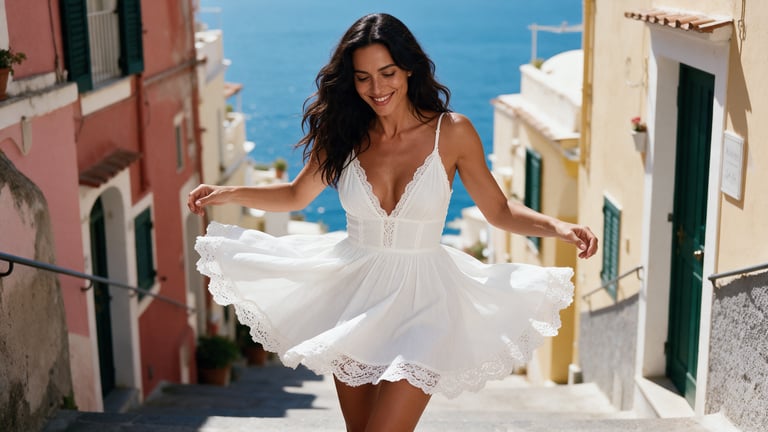
The difference between this and a simple overlay is in the fabric behavior. The garment follows the body's contours, creases where a real garment would crease, and casts shadows consistent with the scene. On still images it is convincing; the fact that the pipeline extends to video subjects makes it genuinely notable for fashion content.
It is clearly built for commerce - the emphasis on accurate garment presentation, not stylized fantasy, tells you the intended audience is shoppers and brands, not artists.
2. Core Features
- Body-aware garment fit: clothing conforms to the subject's silhouette and pose.
- Realistic fabric rendering: draping, folds, and shadows read as material, not graphics.
- Photo and video support: try-on applies to both still subjects and moving footage.
- Garment-focused accuracy: designed to represent real items for shopping decisions.
- REST inference API: no cold starts for fashion apps and storefronts.
3. What to Watch For
- Fit is approximate, not precise: virtual try-on predicts look, not exact sizing - returns policies still matter.
- Complex garments are harder: layered pieces, prints, and structured tailoring challenge the rendering.
- Motion increases complexity: video try-on is impressive but more prone to fabric artifacts in fast movement.
- Product fidelity check: verify the rendered item matches the real SKU's color and cut before showing shoppers.
4. Core Advantages
- Reduces purchase hesitation: shoppers see the item on a body, which drives confidence.
- No photography required per person: one base model photo supports unlimited garment previews.
- Engagement lift: try-on features increase time on product pages and app sessions.
- Works in motion: video try-on supports dynamic fashion content, not just stills.
5. Best Use Cases
- E-commerce product pages with try-on previews.
- Fashion apps that let users try items on their own photos.
- Influencer and brand styling content.
- Virtual fitting rooms for apparel retailers.
6. Who Should Use It
Pick it up if you sell apparel online or build fashion products and want fit visualization that reduces return rates and builds shopper confidence.
Skip it if you need guaranteed physical fit accuracy (which no software can promise) or if your catalog has highly complex garments that don't render faithfully.